
Let me ask you something. When was the last time you walked into your kitchen at night, switched on the light, and saw something scuttle for cover under the fridge? Or maybe you tapped on a wooden skirting board and heard a hollow sound that made your heart sink.
If either of these scenarios feels familiar, you are not alone. In Singapore, cockroaches and termites are the two pests homeowners dread most. One is a disgusting health hazard that moves fast and breeds faster. The other is a silent destroyer that can eat through your home's structure before you even know it exists.
The good news? Both are manageable with the right approach. At Aardwolpestkare, we have dealt with thousands of infestations over the years. Let us walk you through what you need to know about pest control singapore cockroach issues and the serious business of pest control singapore termites.
The Roach Problem: Why They Keep Coming Back
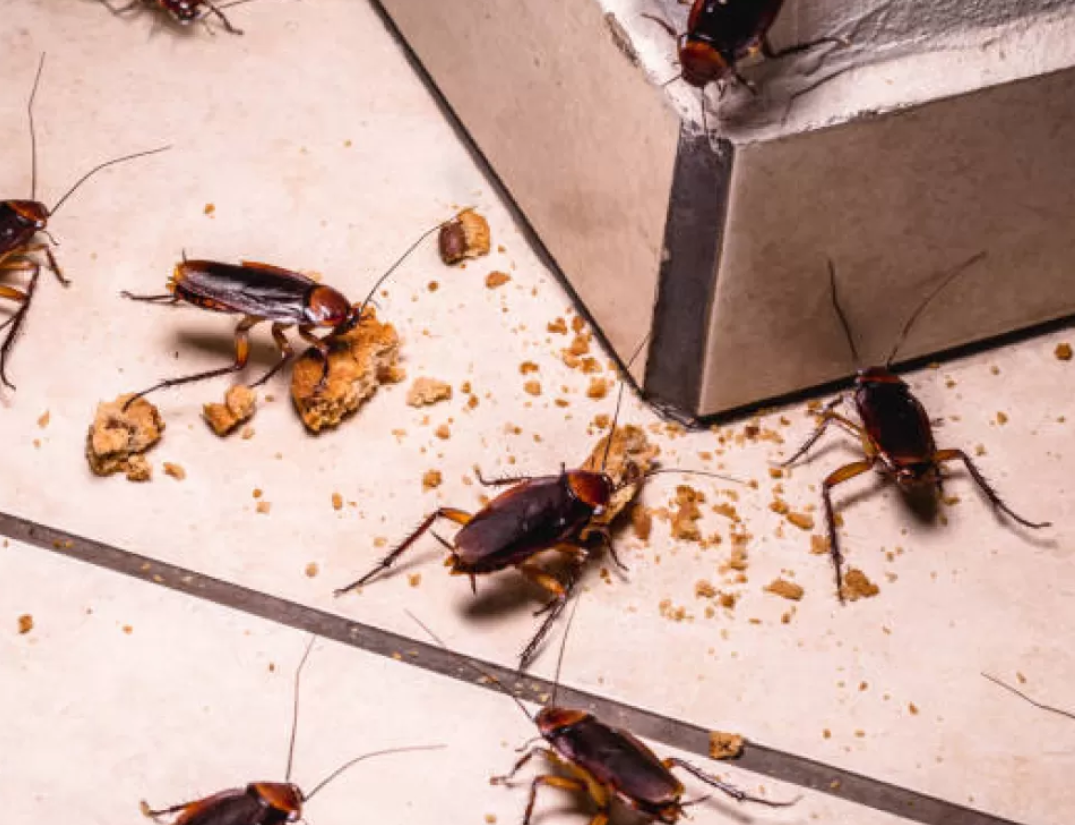
Cockroaches are the ultimate survivors. They have been around for millions of years, and they did not get that way by accident. Singapore's warm, humid climate is basically a five-star resort for them .
Know Your Enemy: German vs American
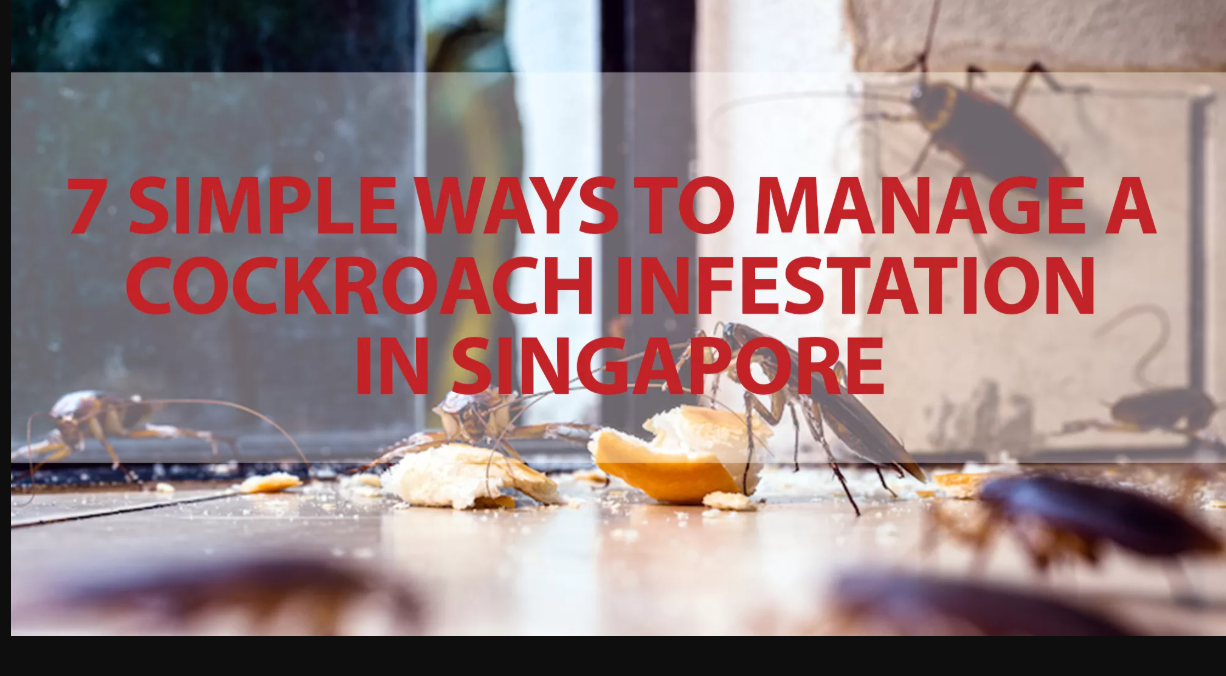
If you spot a cockroach in your kitchen, take a closer look. The small ones, about 12 to 15 millimetres long with two dark stripes behind their head, are German cockroaches . These are the troublemakers. They live indoors, breed like crazy, and are hardest to eliminate. A single female produces 30 to 40 eggs every six weeks . That is a full-blown colony in a matter of months.
The big reddish-brown ones, often 30 to 40 millimetres long, are American cockroaches . They usually come from drains, sewers, or the rubbish chute. While they look scarier, they are actually easier to control because they come from outside. Seal the entry points, and you stop the invasion.
The Hidden Colony Myth
Here is something many homeowners get wrong. You see one cockroach, you kill it, and you think the problem is solved. Unfortunately, for every cockroach you see, there are likely 100 to 200 more hiding . They hide in cracks, behind cabinets, inside electrical outlets. If you see one during the day, that often means the hiding spaces are overcrowded, which signals a serious infestation .
Treatment That Actually Works
Effective pest control singapore cockroach services use a combination of methods. Gel baits are the gold standard for German roaches. The roaches eat the bait, carry it back to the colony, and die. The poison then gets passed on when other roaches feed on the dead . This takes time, usually one to two weeks, but it wipes out the colony at the source .
Residual sprays create a barrier around baseboards, under sinks, and along pipes. This kills roaches that cross it and provides ongoing protection . For severe cases, fogging might be used, but this requires evacuating the home for a few hours .
One important thing to understand: cockroach eggs are resistant to insecticides . A single treatment kills the adults you see, but eggs hatch one to three weeks later. This is why professional protocols often involve follow-up visits or why bi-monthly plans are so effective .
Cost Realities
For an HDB flat, a one-time cockroach treatment typically costs between $80 and $140 . This includes inspection, gel baiting, and spot treatment. However, if roaches keep returning, a bi-monthly plan offering six visits per year costs around $530 total, which works out to about $88 per visit, significantly cheaper than repeated one-off treatments . For many HDB households with recurring issues, especially in older blocks where neighbours also have activity, the plan is simply more cost-effective .
The Termite Threat: Silent and Serious
Now let us talk about termites. If cockroaches are the enemy you see, termites are the enemy you do not. They work silently inside your walls, your flooring, your furniture. By the time you notice them, the damage bill is already adding up.
How Termites Operate
Termites, often called "white ants" in Singapore, live in colonies that can number in the hundreds of thousands . A colony that size can consume a significant amount of wood in a year, silently compromising your home's structure.
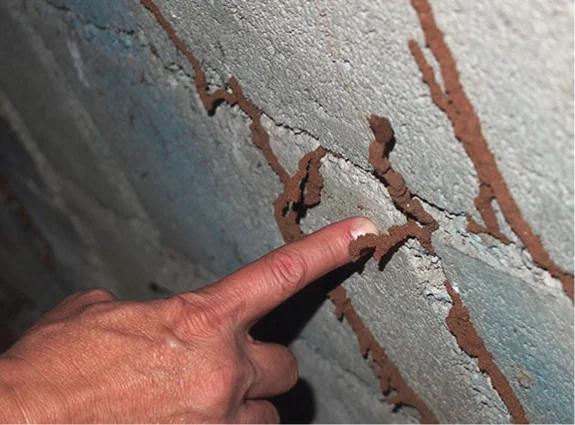
They enter your home through mud tubes they build across foundations or up walls. These tubes protect them from open air while they travel between their colony and their food source, which is your home . If you see pencil-sized mud trails on your walls or foundation, that is a red flag.
Other warning signs include wood that sounds hollow when tapped, bubbling or peeling paint that looks like water damage but is actually termites eating the wood underneath, and discarded wings near windows or doors after swarm season .
Professional Treatment Is Non-Negotiable
Here is the hard truth: DIY treatments do not work for termites. Supermarket sprays kill the termites you see, but the colony keeps working elsewhere. Pest control singapore termites requires professional intervention .
Treatments generally fall into two categories. Soil treatment involves applying liquid termiticide to the soil around and under your home, creating a chemical barrier that termites cannot cross . This is often used for landed properties or ground-floor units.
Baiting systems involve installing stations in the ground around your property. The stations contain material that termites find attractive but laced with a slow-acting poison. Termites carry it back to the colony, and over weeks, the entire colony is eliminated .
Some situations require both approaches, depending on the severity and location of the infestation.
What It Costs
Termite treatment is an investment in protecting your home. A basic inspection costs $60 to $300 . If localised activity is found, spot treatment might run $180 to $350 per location . For full corrective treatment covering an entire property, expect to pay $500 to over $2,500, depending on the size of your home and the extent of the infestation . Landed properties naturally fall at the higher end of this range.
Some companies offer warranties and monitoring programs, which provide peace of mind that if termites return, they will be dealt with .
Why Professional Help Matters
You might wonder why you cannot just handle these pests yourself. For minor issues, DIY can work. A single ant trail or a lone cockroach near a drain might respond to supermarket baits .
But for persistent cockroach problems or any sign of termites, professional help is not just more effective, it is the only real option .
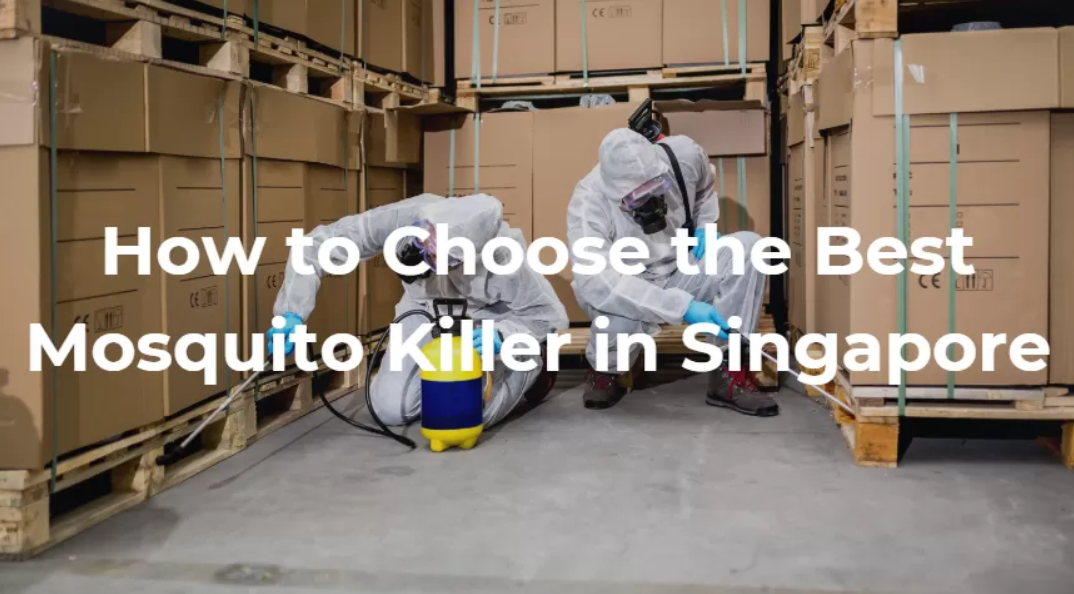
Professionals have access to commercial-grade products not available in stores. More importantly, they have the training to identify the species, locate the source of the infestation, and apply treatments safely .
Safety matters too. NEA-licensed companies use approved chemicals correctly. They know how to protect your family and pets while eliminating pests . Some pesticides are classified as "restricted use" and can only be applied by certified technicians because of their concentration and handling requirements .
Prevention: Your First Line of Defence
The best pest control is the kind you never need. Simple habits make a huge difference.
Keep your kitchen clean. Wipe counters, sweep floors, and store food in airtight containers. Cockroaches need food and water. Deny them both .
Fix leaks promptly. Dripping pipes and standing water attract both cockroaches and termites .
Seal cracks and gaps around pipes, doors, and windows. These are highways for pests .
For termites specifically, reduce wood-to-soil contact around your home. Keep firewood stored away from the foundation. Ensure proper drainage so soil stays relatively dry .
Q&A: Your Questions Answered
Q: How do I know if I have German or American cockroaches?
A: Look at the size and location. Small (12-15mm), tan with two dark stripes, found in kitchen cabinets? That is German. Large (30-40mm), reddish-brown, coming from drains or the chute? That is American . German roaches require more intensive treatment because they live and breed inside your home.
Q: I had termite treatment last year. Why are they back?
A: Termite treatments eliminate the colony present at the time, but they do not make your home termite-proof forever. New colonies can move in, or if the original treatment was a barrier, it may have degraded over time. This is why regular inspections are recommended .
Q: Are pest control chemicals safe for my children and pets?
A: When applied correctly by a licensed professional, yes. NEA-approved products are formulated to be effective against pests while posing minimal risk to humans and animals . At Aardwolpestkare, we use low-toxicity options where possible and always advise on any necessary precautions, such as keeping everyone away until sprayed areas dry .
Q: How often should I get pest control for my HDB flat?
A: It depends. If you have never had a serious issue, an annual or bi-annual service might be enough. If you have recurring cockroach problems, especially with neighbours nearby, a bi-monthly plan is more effective and often cheaper in the long run than repeated one-off treatments .
Q: What should I do to prepare for a pest control visit?
A: Your technician will advise, but generally, clear kitchen counters and sink areas. Ensure cabinets are accessible. For cockroach treatment, you usually do not need to empty all cabinets unless specifically asked . For termite treatment, the process is minimally disruptive and you can usually stay home .
Q: How long does termite treatment take to work?
A: Baiting systems take time. Termites need to find the stations, start feeding, and carry the poison back. Full colony elimination can take one to three weeks . Soil treatments work faster as an immediate barrier.
Final Thoughts: Reclaim Your Home
Pests are stressful. They invade your space, threaten your health, and in the case of termites, threaten your finances. But you do not have to live with them.
Whether you are dealing with fast-moving cockroaches in your kitchen or worrying about silent termites in your walls, the right approach makes all the difference. Identify the problem early. Choose the right treatment. And partner with professionals who actually care about solving it.
At Aardwolpestkare, we have been helping Singapore families protect their homes for years. If pests are bothering you, reach out. Let us take it from there.



Write a comment ...