
The constant presence of pests is an unfortunate reality of living in a densely populated, tropical environment. Among the most challenging and dangerous invaders are rodents. Far from just a nuisance, the presence of rodents in Singapore homes and businesses poses significant threats to health, safety, and property. As experienced pest management specialists, aardwolfpestkare understands that effective rodent treatment requires a comprehensive strategy that goes beyond simple trapping. This professional guide details the risks posed by rodents, the importance of prompt action, and the advanced, systematic methods we employ for total eradication and long-term control.
The Undeniable Risks of Rodents in Singapore
Singapore’s high urban density, combined with its climate, provides an ideal environment for rats and mice to thrive. They seek shelter, food, and water, often finding all three within our buildings and infrastructures. Ignoring a rodent problem, even a small one, is an expensive risk due to the scale of the damage and health hazards they present.
Health Hazards: Disease Vectors
Rodents are notorious carriers of disease, transmitting pathogens directly and indirectly:
Direct Transmission: This occurs through bites, contact with urine or feces, or contamination of food and water. Diseases transmitted include leptospirosis, salmonellosis, and hantavirus.
Indirect Transmission: Rodents often carry parasites, such as fleas and ticks, which can spread other diseases like murine typhus.
Property Damage: Chewing and Nesting
Rats and mice have a continuous need to gnaw to keep their incisor teeth worn down. This behavior leads to serious, often hidden, structural damage:
Structural Damage: They chew through wood, plastic, soft concrete, and insulation to create pathways and nesting material.
Fire Hazard: One of the most dangerous risks is their tendency to chew through electrical wiring. Exposed wires can easily short-circuit and ignite, turning a rodent infestation into a catastrophic house fire.
A visible rat or mice population is always indicative of a much larger, hidden colony. Prompt, professional rodent treatment is the only way to mitigate these serious risks to health and property.
The Strategy: A Systematic Approach to Rodent Treatment
At aardwolfpestkare, our successful rodent treatment protocols are built on a four-phase Integrated Pest Management (IPM) approach. We focus on identifying the source, eliminating the existing population, and preventing future access.
1. Comprehensive Inspection and Risk Assessment
The first and most critical step is a detailed inspection by our trained technicians. We look for the subtle signs that reveal the extent of the infestation and the rodent species involved:
Droppings: Identifying the size and location of droppings helps determine the species (rat or mouse) and their travel paths.
Gnaw Marks: Fresh gnaw marks indicate active feeding and travel routes.
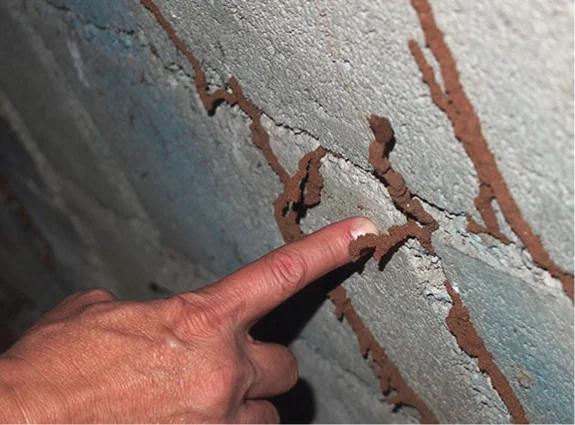
Runways and Grease Marks: Rodents use the same routes repeatedly. Grease and dirt rubbing off their bodies leave "smudge marks" along walls and pipes.
Nesting Sites: Identifying and locating warm, hidden areas where nests are constructed, often using shredded materials like paper or insulation.
Understanding the specific nature of the rodents in Singapore homes is essential to planning the most effective, targeted rodent treatment.
2. Elimination and Population Control (Baiting and Trapping)
Based on the inspection, we deploy a combination of methods for controlled and safe elimination:
Baiting: We use professional-grade, highly palatable rodenticides placed in secured, tamper-proof bait stations. These stations are strategically positioned along known rodent runways, primarily on the exterior or in inaccessible interior areas (like roof voids or false ceilings), to prevent contact with children, pets, or non-target animals.
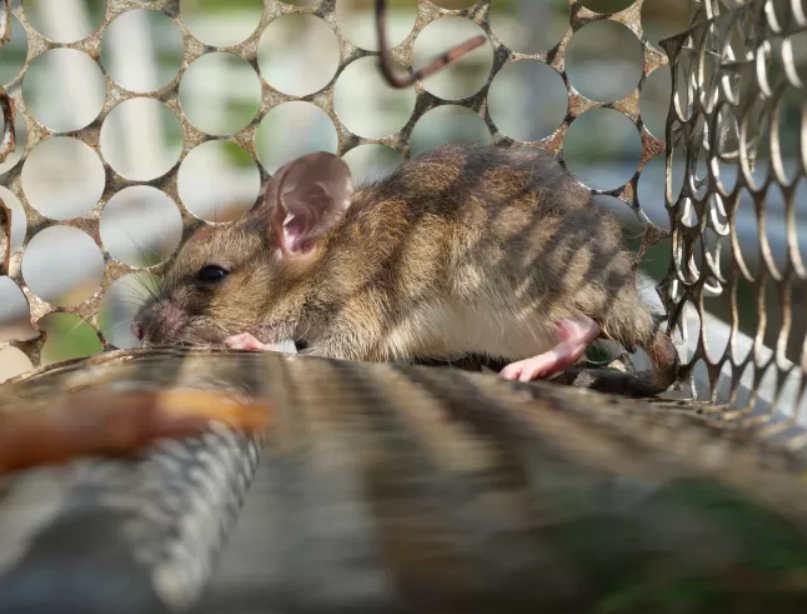
Trapping: For interior locations, especially food-handling areas like kitchens, trapping is preferred. We utilize various advanced trapping mechanisms—snap traps and glue boards—placed discreetly to capture the population quickly and allow for safe, prompt removal of carcasses. Trapping is crucial in areas where the use of rodenticides might result in carcasses decomposing in inaccessible voids.
3. Exclusion (Sealing Entry Points)
Elimination is temporary without exclusion. A key focus of our rodent treatment strategy is permanently blocking entry points. Rats can squeeze through holes the size of a 20-cent coin, and mice can enter through even smaller openings.
We identify and seal gaps around pipes, utility lines, vents, doors, windows, and foundation cracks using materials like wire mesh, metal flashing, or rodent-proof sealants. This ensures that even if new rodents in Singapore are looking for a place to settle, they cannot re-enter your property.
4. Sanitation and Environmental Control (Consultation)
We provide comprehensive consultation on sanitation and environmental changes that make the property less appealing to rodents. This includes advice on proper waste management, eliminating standing water, and securing food sources. This collaboration is vital for the long-term success of any rodent treatment program.
Q&A: Your Questions on Rodent Treatment Answered
Here are direct, authoritative answers to common questions about managing rodents in Singapore properties, structured for clarity and reliability:
Q1: I hear scratching in my ceiling at night. Is it definitely a rat?
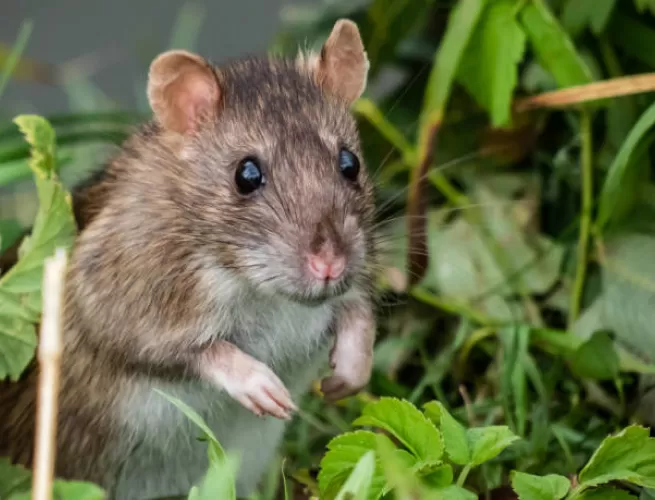
A: Scratching or scurrying sounds in the walls or ceiling voids during the night are strong indicators of a rodent infestation. Rats (particularly the Roof Rat, common in Singapore) are nocturnal and are most active in these spaces. However, the noise could also be geckos, other pests, or mice, which is why a professional inspection is needed to confirm the presence of rodents in Singapore and plan the correct rodent treatment.
Q2: How quickly can a professional rodent treatment eliminate the population?
A: The speed of elimination depends heavily on the species and the size of the colony. With professional rodent treatment using advanced baits and trapping, you should notice a significant decrease in activity within the first two weeks. Complete control usually requires two to three services over a period of 4 to 6 weeks, which accounts for the time it takes for baits to circulate and for all individuals to be eliminated.
Q3: Are the bait stations used for rodent treatment safe for my pets?
A: Yes. We exclusively use professional, tier-one, tamper-proof bait stations for rodent treatment. These stations are locked and anchored securely in place, requiring a specialized key to open. The bait is placed deep inside, making it inaccessible to children, dogs, cats, and non-target wildlife, ensuring a safe approach to addressing rodents in Singapore.
Q4: If I only see one rat, does that mean I have a big problem?
A: In most cases, yes. Rats and mice are highly secretive and reproduce quickly. If you see one rodent during the day, it often suggests the nocturnal population is large enough that some individuals are being forced out during daylight hours to search for food. Immediate and professional rodent treatment is strongly recommended, as a single rat sighting is usually the tip of an iceberg.
Q5: What is the single most important preventative measure I can take after professional rodent treatment?
A: The most crucial measure is exclusion. Once the rodent treatment has removed the existing population, immediately and thoroughly seal all potential entry points into your structure. This includes fixing gaps around utility lines, repairing damaged weather stripping on doors, and covering vents with rodent-proof mesh. Rodents cannot infest a structure they cannot enter.
Partner with aardwolfpestkare for Comprehensive Rodent Control
Dealing with rodents in Singapore demands expertise and a systematic plan. At aardwolfpestkare, we combine detailed inspection, effective elimination, and permanent exclusion strategies to deliver a robust rodent treatment solution that protects your health and your property.
Are you ready to secure a lasting solution against rodents? Contact us today to schedule your comprehensive assessment.





Write a comment ...